

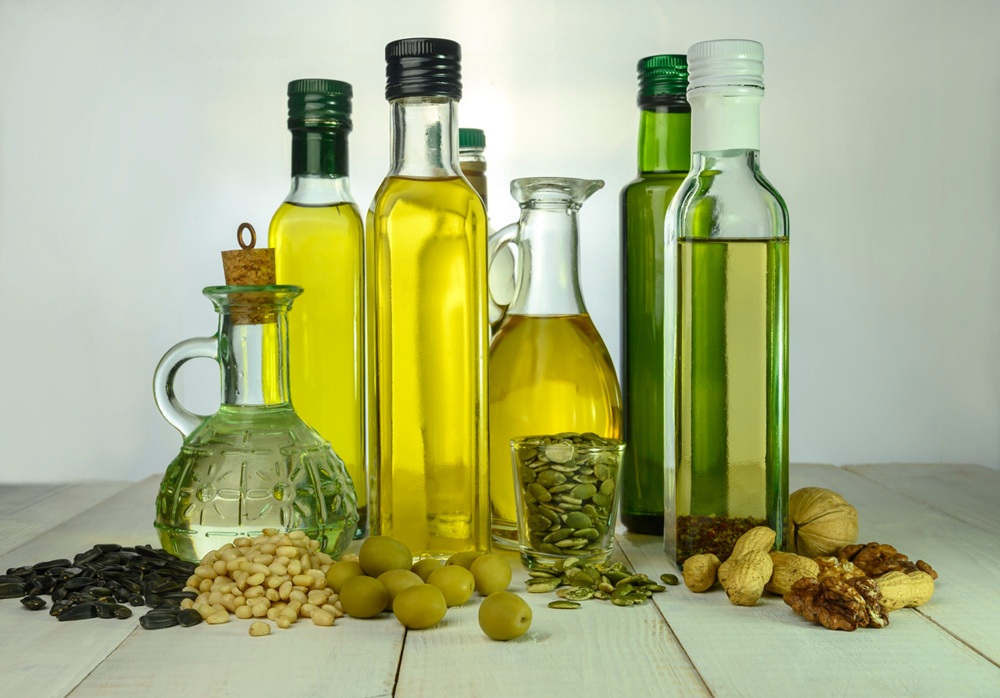

As the global agricultural industry looks toward 2027, the oilseed market is entering a period of significant opportunity — and uncertainty. Growing demand for vegetable oils, expanding processing capacity, renewable fuel production, and shifting international trade patterns are reshaping the outlook for major oilseeds.
For processors, refiners, commodity traders, and agricultural businesses, one question stands out: Which oilseed is best positioned to gain momentum heading into 2027?
Soybeans remain a global powerhouse, while canola is gaining strategic importance in North America. Sunflowerseed is also showing signs of recovery, and palm oil continues to play a major role in the global vegetable oil market.
The answer depends on more than production volumes. Demand growth, processing economics, regional supply, and end-use applications will all help determine which oilseed stands out.
1. Canola: A Strong Contender in North America

According to Agriculture and Agri-Food Canada’s August 2026 outlook, Canadian canola crushing for the 2026–27 marketing year was projected to reach a record 13.7 million tonnes, approximately 10% above the previous year and 28% above the five-year average.
Several factors are supporting this outlook:
-
Growing processing capacity: New and expanded crushing facilities are increasing domestic demand for canola seed.
-
Renewable fuel demand: Canola oil offers an alternative feedstock for biodiesel and other renewable fuel applications.
-
Value-added production: Domestic crushing allows businesses to produce oil and meal rather than relying exclusively on raw-seed exports.
-
North American supply chains: Established agricultural infrastructure provides opportunities for producers, processors, and commodity suppliers.
However, momentum does not guarantee higher prices. Crop yields, global competition, trade policy, and renewable fuel regulations will influence how much of this demand translates into stronger margins.
2. Soybeans: The Global Market Leader

Soybeans remain a major force in the global oilseed industry because of their scale, international trade networks, and versatility. They supply both soybean oil and soybean meal, serving food manufacturers, livestock producers, and industrial markets.
The latest USDA outlook, updated October 15, 2026, raised its forecast for US soybean production in the 2026–27 marketing year to 4.56 billion bushels. US soybean crushing was projected at 2.78 billion bushels, reflecting the importance of processing demand.
Soybeans have several advantages heading into 2027:
-
Global demand: Soybeans are traded extensively across international markets.
-
Multiple revenue streams: Crushing produces oil for food and industrial applications alongside meal for animal feed.
-
Renewable fuel opportunities: Soybean oil demand can benefit from policies supporting biodiesel and renewable diesel.
-
Production growth: Higher output forecasts in major producing regions could support greater processing volumes.
Still, the outlook is not without challenges. Increased production can put pressure on prices, while trade disputes and changing demand from major importers can redirect export flows. China’s purchasing patterns, in particular, remain important to global soybean trade.
The takeaway: Soybeans may not always offer the strongest price gains, but their global scale and established processing markets make them difficult to overlook.
3. Sunflowerseed: A Market to Watch

Sunflowerseed is another oilseed worth watching as the market moves into 2027, particularly for businesses focused on edible oils and specialized food ingredients.
The USDA’s May 2026 oil crops outlook projected a recovery in global sunflowerseed production for 2026–27, with output expected to increase by approximately 7 million tonnes under assumptions of normal growing conditions. Improved returns relative to some competing crops supported expectations for increased acreage.
Potential growth drivers include:
-
Demand for sunflower oil in food manufacturing and retail.
-
Opportunities in markets seeking alternatives to other vegetable oils.
-
Improved crop production where weather and growing conditions cooperate.
-
Export opportunities as global vegetable oil trade evolves.
The key uncertainty is supply reliability. Weather disruptions in major producing regions can affect both availability and prices. For processors, sunflowerseed may offer attractive opportunities, but sourcing flexibility and dependable supplier relationships remain essential.
4. Palm Oil: Significant Demand, Increasing Supply Constraints

Palm oil remains one of the world’s most important vegetable oils, with extensive applications across food manufacturing, personal care products, and biofuel production.
The medium-term outlook published by the OECD and FAO points to continued growth in vegetable oil demand. However, palm oil production growth is expected to moderate as aging trees, sustainability requirements, and the need for replanting affect production in Indonesia and Malaysia.
For oilseed processors and commodity buyers, this creates several considerations:
-
Supply availability: Production constraints may influence global vegetable oil balances.
-
Sustainability requirements: Traceability and deforestation-related regulations can affect market access.
-
Substitution opportunities: Changes in palm oil supply and pricing may influence demand for alternative oils.
-
Price relationships: Shifts in the relative prices of vegetable oils can change purchasing and formulation decisions.
Palm oil’s momentum will depend heavily on production recovery, sustainability compliance, and policy developments in key importing and exporting countries.
Which Oilseed Has the Most Momentum?
Each oilseed has a different advantage. The strongest opportunity depends on whether the priority is processing growth, global trading scale, specialized food applications, or vegetable oil supply.
| Oilseed | Main momentum driver | Key risk |
|---|---|---|
| Canola | North American crushing and renewable fuels | Policy shifts and crop yields |
| Soybeans | Global trade and large-scale processing | Oversupply and trade uncertainty |
| Sunflowerseed | Edible oil demand and production recovery | Weather and regional supply |
| Palm oil | Broad vegetable oil demand | Sustainability and production constraints |
For North American businesses, canola stands out for its combination of expanding domestic processing capacity and renewable fuel demand. Soybeans remain the strongest all-around global contender because of their scale, established trade networks, and multiple end uses.
Five Factors That Could Shape the Oilseed Market in 2027
Regardless of which oilseed gains the most attention, businesses should monitor five developments.
1. Renewable fuel policies
Changes to biofuel mandates, tax incentives, and emissions standards can alter demand for soybean oil, canola oil, and other eligible feedstocks.
2. Processing capacity
New crushing facilities can create additional demand for raw oilseeds, but profitability depends on feedstock costs, energy prices, operating efficiency, and the value of oil and meal produced.
3. Global production and weather
Growing conditions in major producing regions influence harvest volumes, export availability, and commodity prices.
4. International trade and tariffs
Tariffs, trade agreements, and changing import requirements can shift trade flows and create new opportunities for some origins while restricting others.
5. Processing margins
Higher oilseed prices do not necessarily translate into stronger processor profits. The relationship between seed costs, oil and meal prices, transportation, and operating expenses ultimately determines crushing economics.
What This Means for Oilseed Processors and Refiners
Heading into 2027, the opportunity is not simply about choosing the crop with the largest production forecast. It is about identifying where demand is growing, where processing capacity is expanding, and where supply chains can deliver reliable returns.
For plant operators, this means reviewing feedstock procurement strategies, evaluating capacity utilization, and understanding how changes in oil and meal markets affect margins.
For commodity traders and suppliers, it means monitoring regional supply-demand balances, trade developments, and the evolving needs of processors.
For refiners, it means assessing feedstock flexibility, renewable fuel market exposure, and the economics of different oil sources.
Businesses that combine sound market intelligence with efficient operations and disciplined sourcing will be better positioned to respond to changing conditions.
Final Thoughts: Looking Ahead to 2027
There is no single oilseed that will lead every market in 2027. Soybeans have the advantage of global scale, canola is benefiting from North American processing investment and renewable fuel demand, sunflowerseed offers opportunities in edible oils, and palm oil remains central to global vegetable oil supply.
Our outlook: Canola is a particularly compelling oilseed to watch in North America, while soybeans remain a global market leader. The ultimate winner will depend on how demand, production, trade policy, and processing economics develop over the coming months.
For oilseed processors, refiners, and agricultural businesses, the priority is to look beyond headline prices and focus on the market fundamentals that drive long-term performance.
Market outlooks are projections, not guarantees. Production estimates and market conditions can change as new data becomes available.