



In oilseed processing, the conversation about yield often focuses on the press. Operators adjust pressure, monitor throughput, and evaluate extraction performance to recover as much oil as possible from the incoming material.
But what if the biggest opportunities to improve yield occur before the seeds ever reach the press?
Oil recovery is influenced long before extraction begins. Seed quality, cleaning, moisture control, dehulling, size reduction, and conditioning all play critical roles in determining how efficiently oil can be recovered. When preparation is inconsistent, even a well-operated press may struggle to deliver optimal performance.
For processors looking to improve profitability, oilseed preparation deserves the same attention as the extraction stage itself.
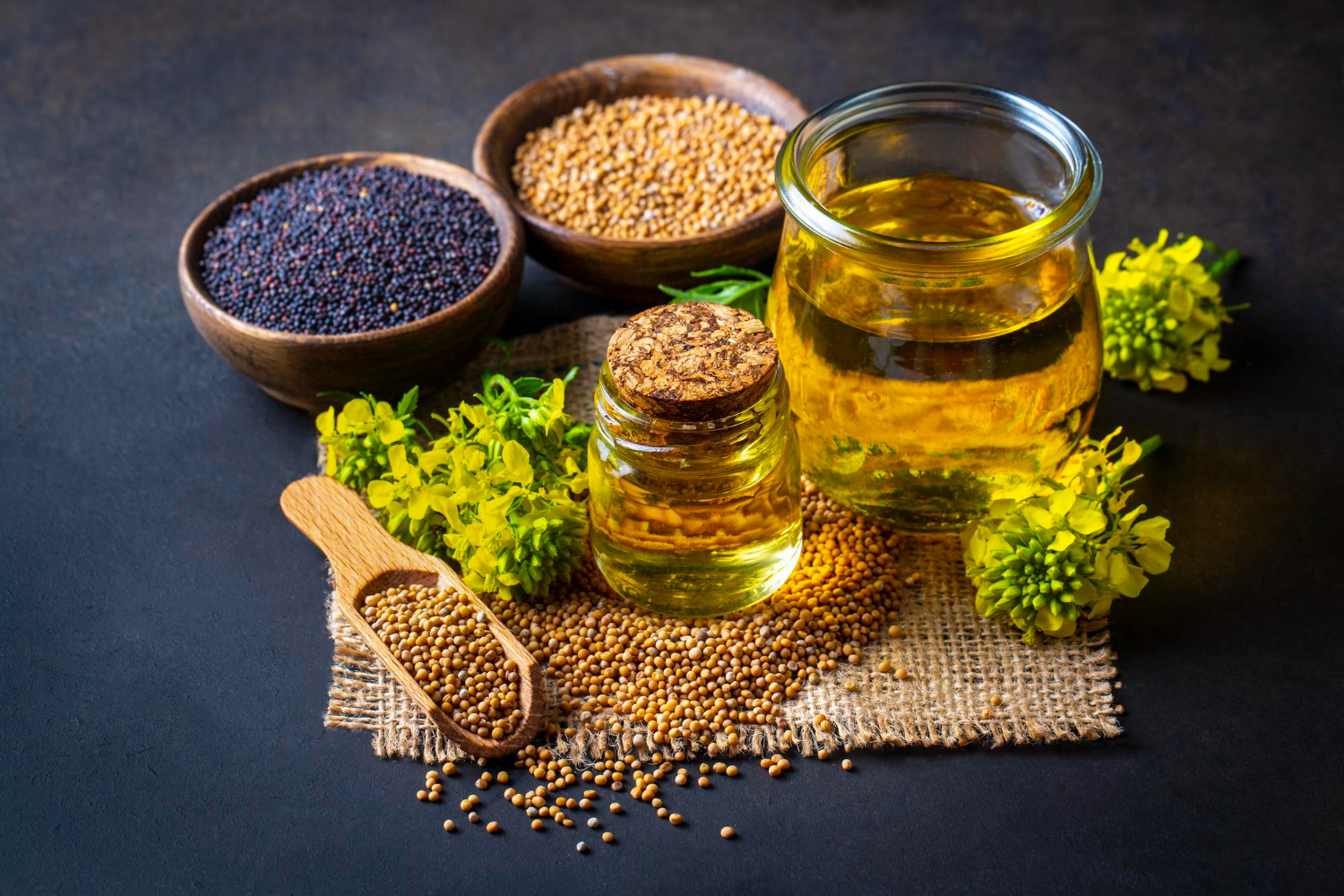
1. Start With the Quality of the Incoming Seed
Not all oilseeds arrive at the processing plant in the same condition. Oil content, moisture, impurities, damaged seeds, and storage history can vary significantly between deliveries and batches.
These differences affect how the material behaves during processing.
For example, seeds containing excessive moisture may require additional drying or conditioning, while foreign materials can interfere with equipment performance and introduce unnecessary wear. Damaged or deteriorated seeds may also affect oil quality and processing efficiency.
Establishing consistent incoming-material inspections helps processors identify variations before they become production problems.
The takeaway: Better control over raw material quality creates a stronger foundation for consistent extraction performance.
2. Cleaning: Remove What Does Not Belong
Cleaning is one of the first opportunities to protect both yield and equipment performance.
Oilseeds can contain dust, stones, plant debris, metal fragments, and other foreign materials. If these contaminants are not removed, they can increase equipment wear, disrupt downstream operations, and compromise the quality of the finished product.
Effective cleaning systems help ensure that the material entering the preparation line is suitable for further processing.
However, cleaning performance must also be monitored carefully. Excessive losses of usable seed during separation can reduce the quantity of oil-bearing material reaching the press.
The goal is not simply to remove impurities. It is to do so while minimizing the loss of valuable raw material.
3. Moisture Control: Finding the Right Balance
Moisture plays a major role in oilseed preparation.
Material that is too wet or too dry may not respond optimally to mechanical processing. Moisture levels can influence seed structure, flaking behaviour, conditioning requirements, and the performance of downstream extraction equipment.
The ideal moisture range depends on the oilseed being processed and the extraction technology in use.
For mechanical pressing, preparation conditions must support effective cell disruption and oil release without creating material that is difficult to handle or process. In solvent extraction plants, moisture control is also important because it can affect flake preparation and extraction performance.
Rather than relying on a single target for every feedstock, processors should establish operating ranges suited to their specific oilseed, equipment, and process configuration.
Consistent measurement is essential. Small variations that go unnoticed at the preparation stage can contribute to larger fluctuations further down the line.
4. Size Reduction and Flaking: Making Oil More Accessible
Oil is stored within the cellular structure of oilseeds. Preparation processes such as cracking, grinding, and flaking help make that oil more accessible during extraction.
The objective is to create material with suitable physical characteristics for the process that follows.
In many solvent extraction operations, flaking reduces particle thickness and helps improve solvent access to the oil-bearing material. In mechanical pressing, appropriate size reduction and conditioning can support effective oil release and improve the way material behaves inside the press.
However, more aggressive processing is not automatically better.
Excessive fines, uneven particle sizes, or poorly controlled flaking can create operational challenges. The optimal preparation method depends on the seed type, equipment design, and extraction method.
Processors should therefore evaluate preparation settings alongside extraction results rather than treating each stage as an independent operation.

5. Conditioning: Preparing the Material for Extraction
Conditioning uses controlled heat and, where appropriate, moisture to prepare oilseeds for subsequent processing.
Depending on the feedstock and process, conditioning can influence cell structure, plasticity, viscosity, and the behaviour of the oil-bearing material during extraction.
When properly controlled, it can help create more consistent feed conditions and support efficient oil recovery.
When poorly controlled, it may contribute to uneven processing, unnecessary energy consumption, or undesirable changes in product quality.
Temperature, residence time, moisture, and material flow should be evaluated together. A conditioning system that performs well under one set of operating conditions may produce different results when feedstock characteristics change.
The objective is to deliver material that is consistently prepared for the extraction equipment—not simply to reach a particular temperature.
6. Preparation Losses Can Become Profitability Problems
Preparation performance is not just a technical consideration. It has a direct connection to plant economics.
Consider the potential consequences of an inefficient preparation line:
- Lost oil potential: Poor preparation can leave oil more difficult to recover.
- Higher energy consumption: Unnecessary reprocessing or poorly controlled equipment can increase energy demand.
- Equipment wear: Contaminants and inconsistent material characteristics can contribute to maintenance requirements.
- Unstable throughput: Variations in feed conditions can make it harder to maintain consistent production.
- Quality challenges: Inadequate process control can affect the quality of crude oil and downstream products.
These issues can compound over time, affecting operating costs, production consistency, and overall plant performance.
Improving preparation does not always require a major equipment investment. In some facilities, the first opportunity may be better monitoring, more consistent operating procedures, improved maintenance, or tighter control of existing equipment.
The key is identifying where the greatest losses are occurring.
7. Measure Performance Beyond the Press
One of the most effective ways to improve oil recovery is to evaluate the entire process rather than focusing on extraction equipment in isolation.
Useful performance indicators include:
- Incoming seed oil content and moisture.
- Cleaning efficiency and seed losses.
- Consistency of cracking or flaking.
- Conditioning temperature and moisture.
- Residual oil in the meal or press cake.
- Oil recovery relative to incoming oil content.
- Energy consumption per tonne processed.
- Throughput stability and unplanned downtime.
These measurements help establish whether preparation conditions are supporting extraction performance or creating avoidable limitations.
For example, elevated residual oil in the press cake may indicate an extraction issue, but it can also point to problems with incoming material, preparation consistency, or conditioning. The correct diagnosis requires examining the process as a connected system.
Without reliable data across these stages, plants risk adjusting the press to compensate for problems originating elsewhere.
8. Optimize the Process Before Investing in More Capacity
When a facility struggles to meet production targets or achieve its expected oil recovery, expanding capacity may appear to be the obvious solution.
However, adding capacity does not automatically correct inefficient preparation.
If upstream equipment delivers inconsistent material, a larger or faster extraction system may simply process the same variability at a higher rate.
Before committing to a major capital investment, processors should assess whether existing preparation equipment is operating as intended, whether process bottlenecks are limiting performance, and whether operating conditions are properly matched to the feedstock.
A structured assessment can reveal opportunities to improve recovery, stabilize throughput, and make better use of existing assets.
The objective is not always to process more material. Sometimes, it is to recover more value from every tonne already being processed.
Final Thoughts: Better Preparation, Better Recovery
Oilseed preparation is often viewed as a preliminary step before the main extraction process. In reality, it is one of the stages that determines how effectively the entire plant can operate.
From incoming seed quality and cleaning to moisture control, flaking, and conditioning, each step influences the conditions under which oil is ultimately recovered.
For oilseed processors, the opportunity lies in understanding these relationships, measuring performance across the process, and addressing the root causes of inefficiency.
The press may extract the oil, but preparation helps determine how much can be recovered.
Before investing in more capacity or making major changes to extraction equipment, take a closer look at what happens upstream. The next improvement in yield may begin well before the press.


