

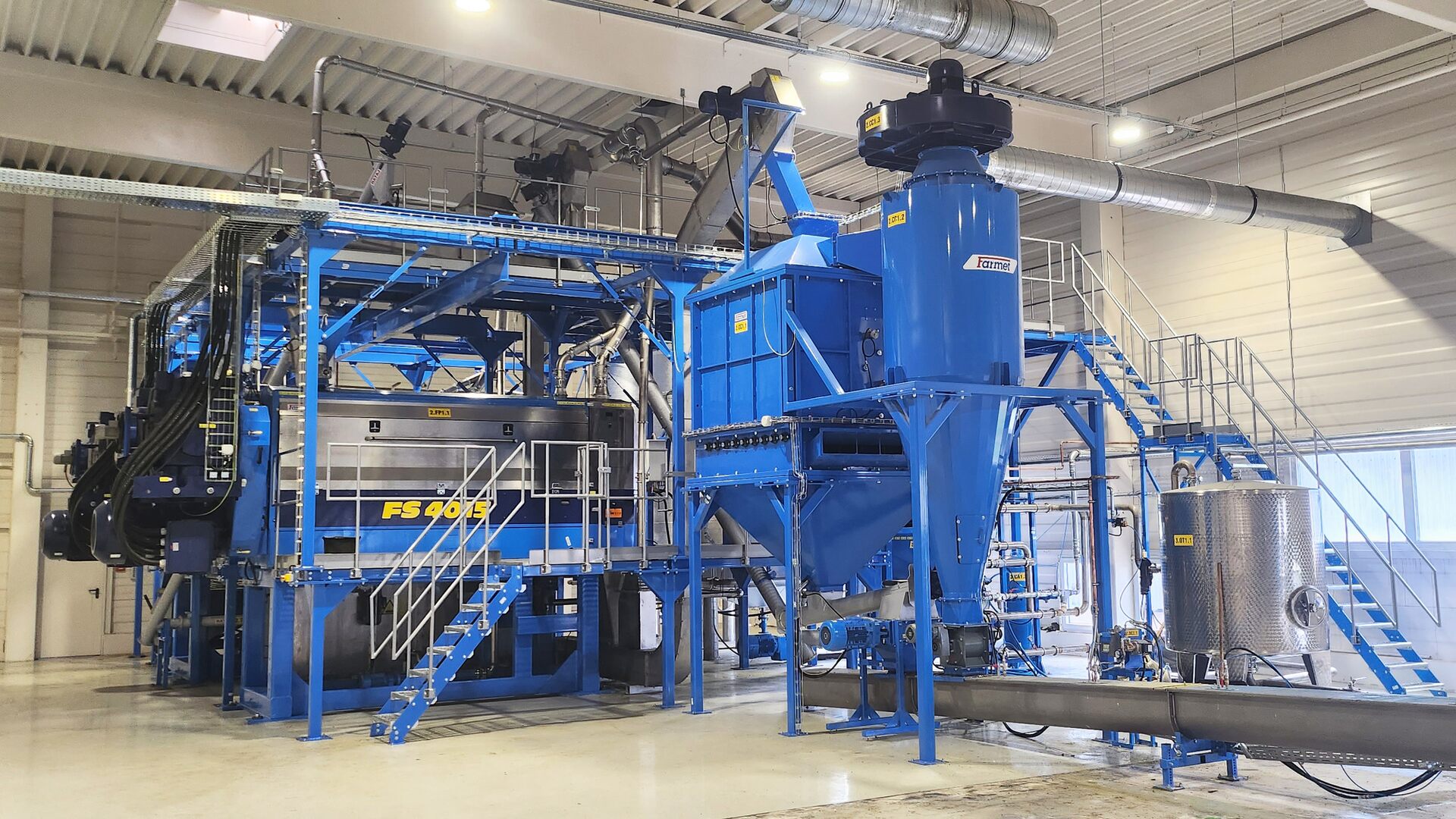

Experience teaches you what engineering drawings cannot.
In oilseed processing, experience is more than the number of years spent operating equipment. It is the knowledge gained from handling different seeds, navigating changing harvest conditions, solving operational challenges, and understanding what makes a processing plant perform consistently.
After more than 70 years of pressing seed, one thing becomes clear: successful oilseed processing is about much more than the press itself. Every stage of the operation matters, from receiving and storing the raw material to preparation, conditioning, extraction, and ongoing maintenance.
Here are five important lessons that decades of experience in seed pressing have taught us.
1. Every Seed Is Different. Every Harvest Is Different.
No two harvests are exactly alike, and no two seed deliveries should be treated as identical.
Oilseeds naturally vary in moisture content, oil content, impurities, size, and physical characteristics. Even the same crop can behave differently depending on growing conditions, harvesting practices, and storage.
Designing a processing plant around one ideal sample is a common mistake. Equipment and operating procedures must account for the natural variability of incoming raw materials.
The lesson: Design for variability, not perfection. A reliable processing system should perform consistently even when the characteristics of the seed change.
2. Problems at the Press Often Start Upstream
When a press experiences inconsistent performance, reduced throughput, or changes in extraction efficiency, the immediate reaction is often to investigate the press itself.
But the real problem may have started much earlier.
Poor storage conditions, inadequate cleaning, inconsistent moisture levels, and improper conditioning can all affect how seeds behave during pressing.
Seed preparation plays a critical role in determining extraction performance. If the material entering the press is not properly prepared, even well-designed pressing equipment can struggle to deliver the expected results.
The lesson: Do not focus only on the equipment where the problem becomes visible. Look upstream. Better preparation often leads to better pressing performance.
3. Maintenance Access Is a Design Decision
A processing plant can have excellent equipment, but if routine maintenance is difficult, long-term performance will suffer.
Equipment that is difficult to access takes longer to inspect, clean, repair, and maintain. Over time, these challenges can contribute to extended downtime, delayed maintenance, and avoidable operating costs.
Maintenance should not be treated as an afterthought during plant design. Access platforms, clearances, equipment positioning, and service points should all be considered from the beginning.
A plant should be designed not only for production but also for the people responsible for keeping it running.
The lesson: If equipment is difficult to reach, it is less likely to receive the attention it needs. Good engineering makes maintenance practical.
4. Operators Know Things Drawings Don’t
Engineering drawings provide the technical foundation for a processing plant. They show equipment layouts, process flows, dimensions, and specifications.
However, they cannot capture every operational reality.
Operators understand how equipment behaves during actual production. They recognize unusual sounds, identify recurring issues, understand process bottlenecks, and often know which adjustments make the biggest difference.
Their practical experience is valuable during plant design, equipment selection, installation, and commissioning.
Bringing operators into the conversation early can help identify potential challenges before they become expensive problems.
The lesson: Listen to the people who operate the equipment every day. Their experience can reveal opportunities and challenges that may not be obvious on paper.
5. A Plant Isn’t Finished at Startup
Getting a processing plant installed and operational is an important milestone, but it does not mean the project is complete.
Startup is only the beginning of proving that a plant can deliver on its design objectives.
The real test comes when the facility reaches its intended production capacity, maintains consistent product quality, operates reliably, and performs under normal operating conditions over time.
This requires proper commissioning, operator training, process optimization, performance monitoring, and ongoing technical support.
A successful plant is not simply one that starts running. It is one that continues running efficiently and reliably.
The lesson: Measure success by sustained performance, not just startup. Reaching capacity consistently is what turns an installed plant into a successful operation.
Experience Makes the Difference
More than 70 years of pressing seed reinforces an important principle: successful oilseed processing is built on understanding the entire operation.
From raw material variability and preparation to equipment design, maintenance, and plant performance, every decision contributes to the final result.
Technology and equipment are essential, but experience helps ensure they are applied correctly.
Because in oilseed processing, the difference between a plant that simply runs and one that performs reliably often comes down to the lessons learned along the way.
70+ years of experience. Five lessons. One principle: Build for performance that lasts.


