

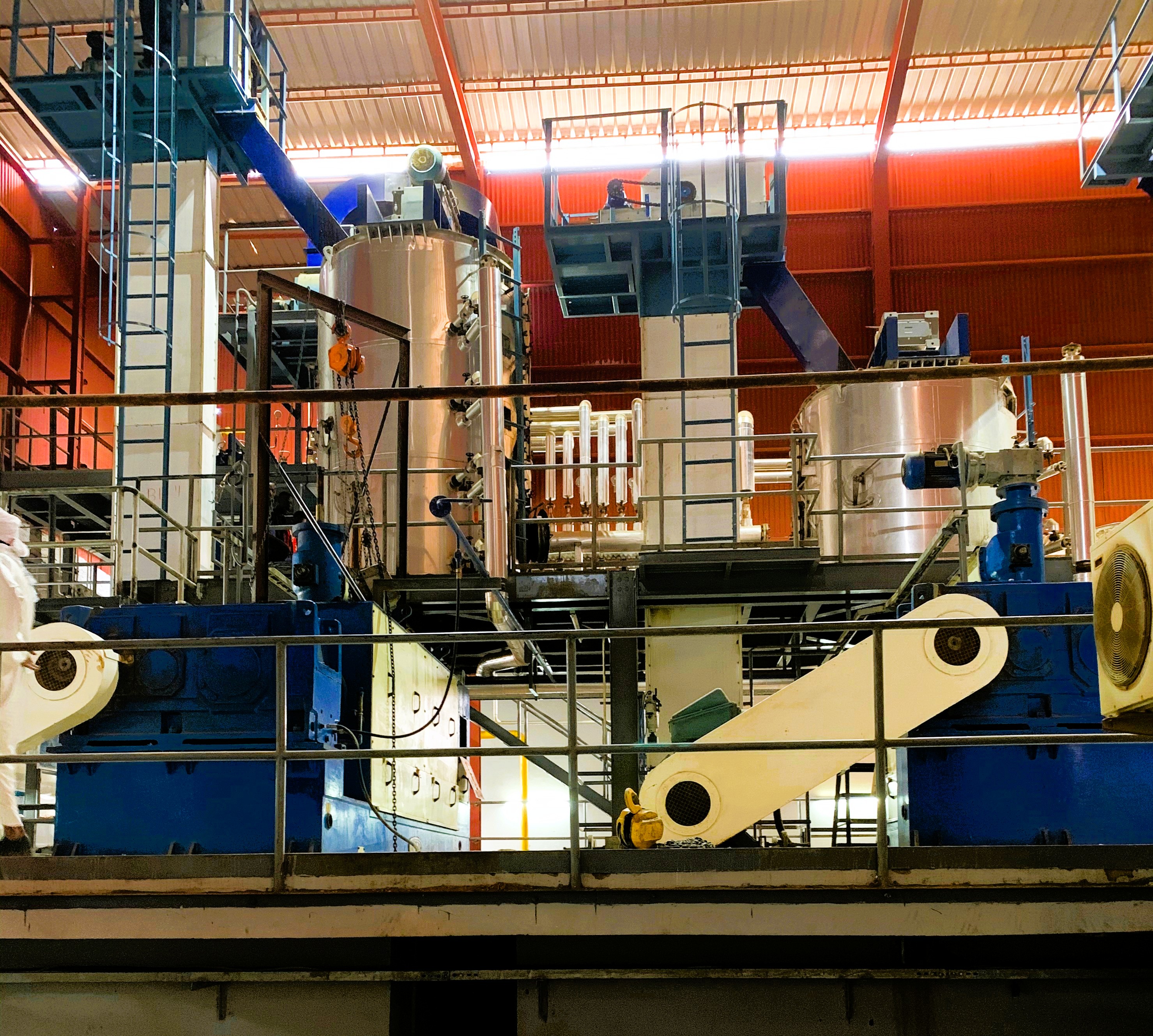

The oilseed processing industry is evolving, and technology is playing an increasingly important role in how businesses extract, manage and optimize oil production.
As we approach 2027, investing in a smart oil press can be a strategic move for oilseed processors looking to improve efficiency, maintain consistent product quality and strengthen their long-term profitability.
But choosing the right equipment requires more than looking at the advertised processing capacity.
A machine that promises high output may not necessarily deliver the best return on investment. Factors such as automation, seed compatibility, energy consumption, maintenance requirements and future scalability can have a much greater impact on your operation over time.
Before investing in a new oil press, here are seven important things to consider.
1. Processing Capacity: Match Today’s Needs While Planning for Tomorrow
Processing capacity is often one of the first specifications buyers consider. However, the goal should not simply be to purchase the machine with the highest advertised output.
Instead, evaluate your current production requirements, expected volumes and available operating hours.
Consider:
- How many tonnes of seed do you need to process daily?
- Will the machine operate continuously or in batches?
- Can it handle seasonal fluctuations in feedstock supply?
- Does it provide enough capacity for future production growth?
The right oil press should meet your current production demands without creating unnecessary operating costs, while leaving room for expansion as your business grows.
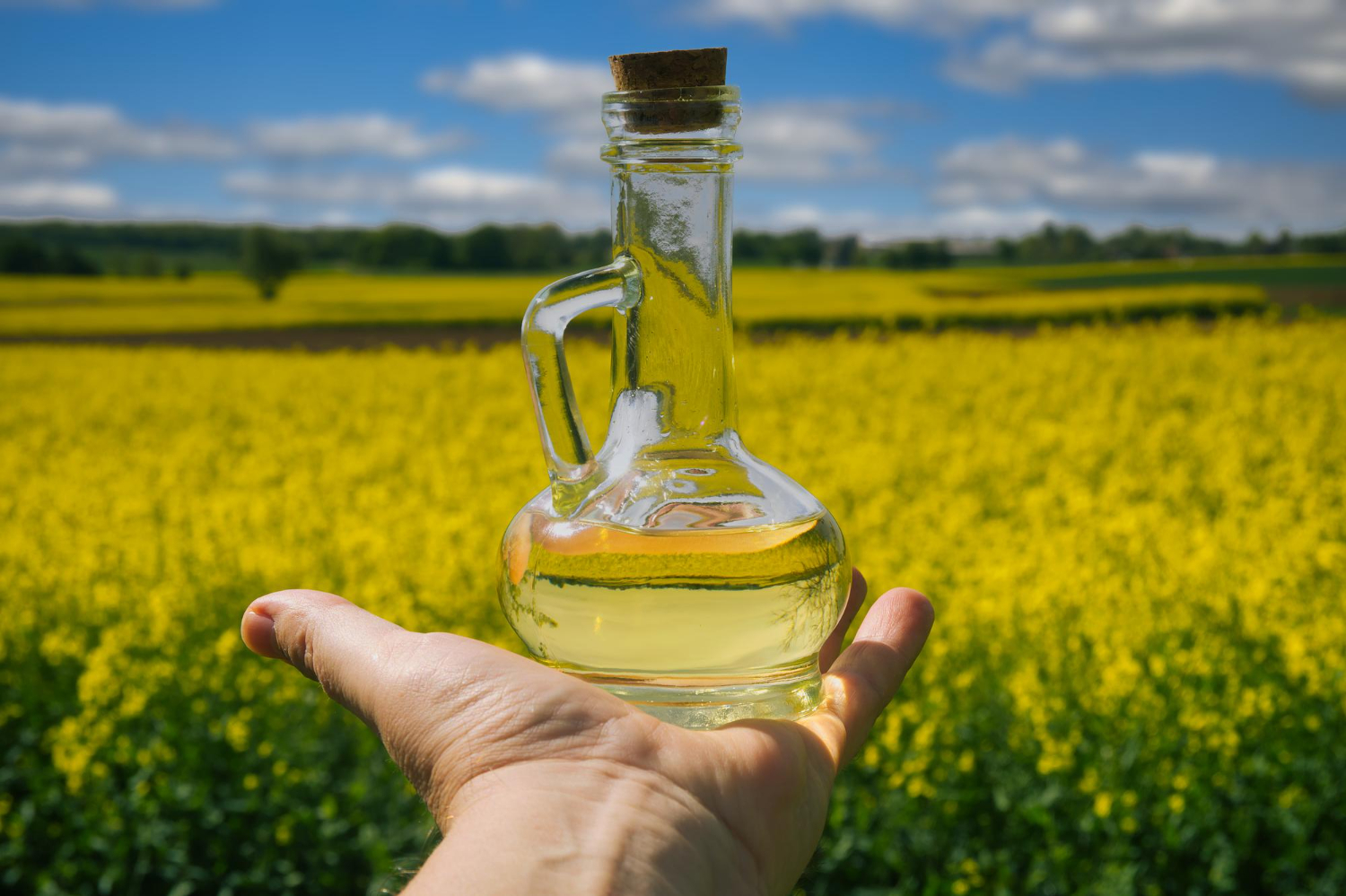
2. Automation Level: Know What Should Be Automated
Modern oil presses are becoming increasingly intelligent, with automation helping operators monitor and control critical stages of the extraction process.
However, not every operation requires the same level of automation.
Depending on your production setup, useful automated functions may include:
- Automatic seed feeding and material handling.
- Temperature monitoring and control.
- Pressure and processing parameter adjustments.
- Production monitoring and performance tracking.
- Automated alerts for operational issues.
The important question is not how many automated features a machine offers, but whether those features solve real operational challenges.
Effective automation can reduce manual intervention, improve process consistency and help operators make better production decisions.
3. Seed Compatibility: Can It Handle Your Actual Feedstock?
Not all oilseeds behave the same way during processing.
Sunflower, soybean, canola, sesame, peanut and other oil-bearing seeds have different physical and processing characteristics. Moisture content, seed size, oil content and preparation requirements can all influence extraction performance.
A machine that performs well with one seed type may require different operating conditions or additional preparation equipment to process another effectively.
Before purchasing, confirm:
- Which seed types the machine has been tested on.
- Whether it requires specific seed preparation.
- How changes in moisture and feedstock quality affect performance.
- Whether it can accommodate multiple seed varieties.
Whenever possible, request processing trials using the actual seeds you intend to handle.
Real-world performance is more valuable than general equipment specifications.
4. Oil Quality Goals: Define the Product You Want to Produce
Your desired end product should influence your equipment selection from the beginning.
Are you producing conventional edible oils, specialty oils or cold-pressed products?
Each application may have different requirements for temperature control, extraction conditions, filtration and downstream processing.
For example, cold-pressed oil production places particular importance on managing processing temperatures to preserve the desired characteristics of the finished product.
Meanwhile, conventional oil production may prioritize throughput, extraction efficiency and integration with additional refining processes.
Before investing, clearly define your oil quality objectives and confirm that the equipment can consistently support them.
Remember: higher extraction output means little if the resulting oil does not meet your customers’ quality expectations.
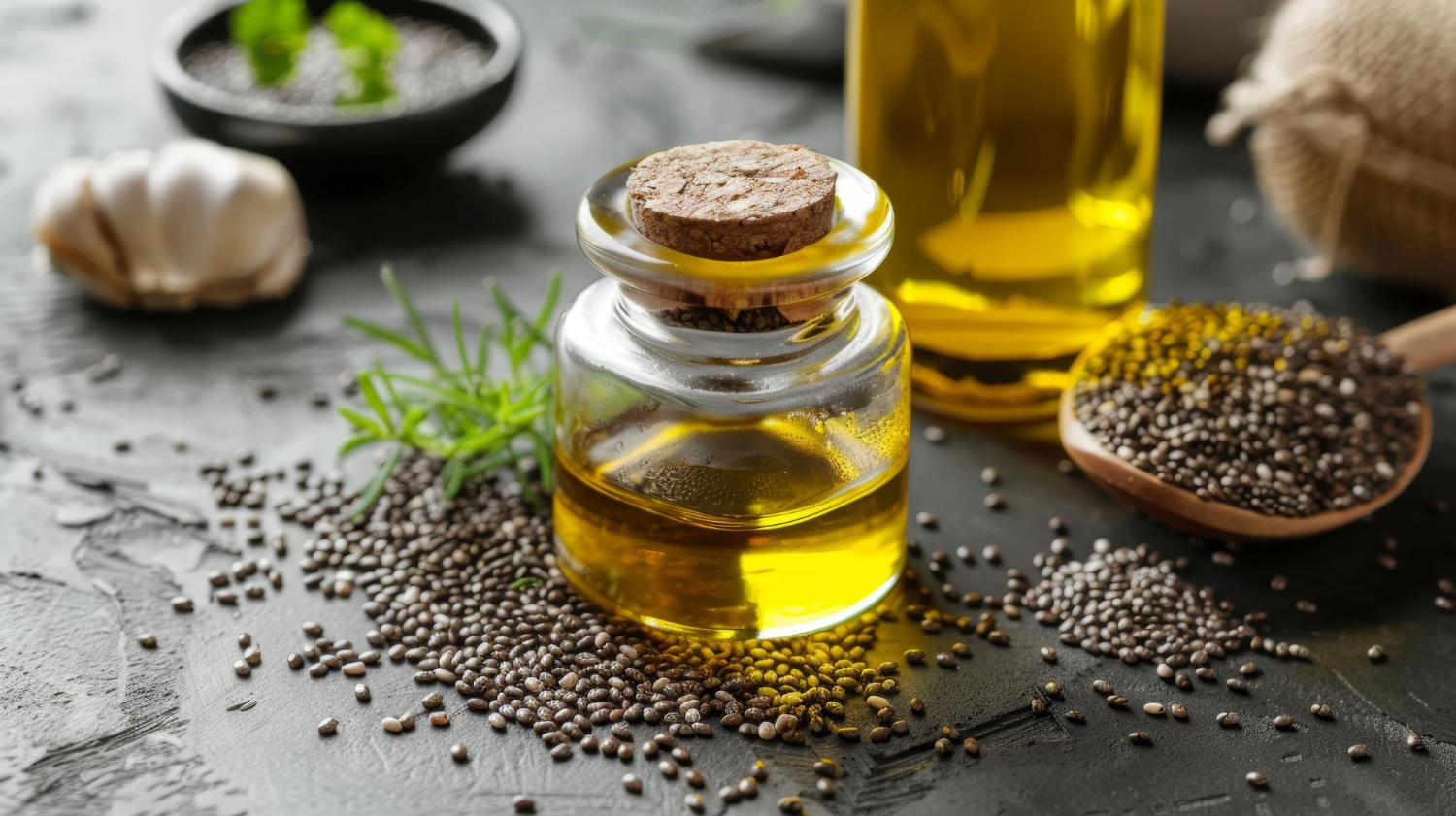
5. Energy Efficiency: Look Beyond the Purchase Price
The initial purchase price is only one part of the investment.
Energy consumption, labour requirements, maintenance and downtime all contribute to the total cost of operating an oil press.
A machine with a lower purchase price may become more expensive over time if it consumes excessive energy or requires frequent maintenance.
When evaluating equipment, consider:
- Electricity consumption per tonne of seed processed.
- Motor efficiency and power requirements.
- Energy demands of supporting equipment.
- Labour requirements during operation.
- Overall extraction efficiency and production losses.
Understanding these factors helps you calculate the actual cost of production and determine whether an equipment investment will improve your operating margins.
In a competitive processing environment, controlling operating costs is just as important as increasing production.
6. Maintenance and Spare Parts: Consider What Happens After Installation
Equipment reliability does not end when the machine is installed.
Every processing operation needs a maintenance strategy, and even well-designed machinery requires regular servicing and occasional replacement parts.
Before choosing a supplier, investigate the availability of technical support, maintenance services and critical spare parts.
Ask questions such as:
- Are spare parts readily available?
- How quickly can replacement components be delivered?
- Does the supplier provide installation and operator training?
- Is technical support available when production problems occur?
- Are maintenance procedures straightforward?
Unexpected downtime can disrupt production schedules, increase operating costs and affect customer commitments.
Choosing equipment backed by dependable technical support can make a significant difference to the long-term performance of your operation.
7. Scalability: Invest in Equipment That Can Grow With Your Business
Your production requirements today may look very different in three or five years.
As demand increases, you may want to process higher volumes, introduce additional seed varieties or expand into new oil products.
Your equipment should support those ambitions.
Consider whether the oil press can integrate with additional preparation, filtration, storage and packaging systems. Also evaluate whether the overall production line can accommodate increased throughput without requiring a complete redesign.
Scalable equipment gives businesses greater flexibility when responding to changing market conditions and customer demand.
The best investment is not necessarily the machine that produces the most today. It is the one that continues to deliver value as your operation evolves.
The Bottom Line: Smarter Processing Starts With Better Decisions
Investing in a smart oil press in 2027 should be about more than buying advanced machinery or chasing higher production numbers.
It should be about understanding your processing requirements, improving operational efficiency and building a production system that delivers consistent results over the long term.
Capacity matters. But so do automation, seed compatibility, oil quality, energy consumption, maintenance and scalability.
Before making a decision, evaluate the entire processing operation rather than focusing on a single machine specification.
Why Partner With SORS International to Build Your Smart Oil Press?
Choosing the right oil press is only one part of building a successful oilseed processing operation. You also need the right engineering expertise, technical guidance and industry experience to ensure your investment delivers long-term value.
This is where SORS International comes in.
With decades of experience in oilseed processing and plant engineering, SORS International helps businesses make informed decisions about their processing operations, from equipment selection and process design to optimization and plant development.
Rather than taking a one-size-fits-all approach, SORS International focuses on understanding each client’s production requirements, feedstock characteristics, operational challenges and future business goals.
Whether you are planning a new oilseed processing facility, upgrading an existing production line or exploring automation opportunities, SORS International can help you build a solution around your actual processing needs.
The future of oil extraction isn’t simply about pressing more. It’s about pressing smarter.
Are you planning an oilseed processing upgrade in 2027? Make sure your next investment is built around the performance your operation actually needs.


